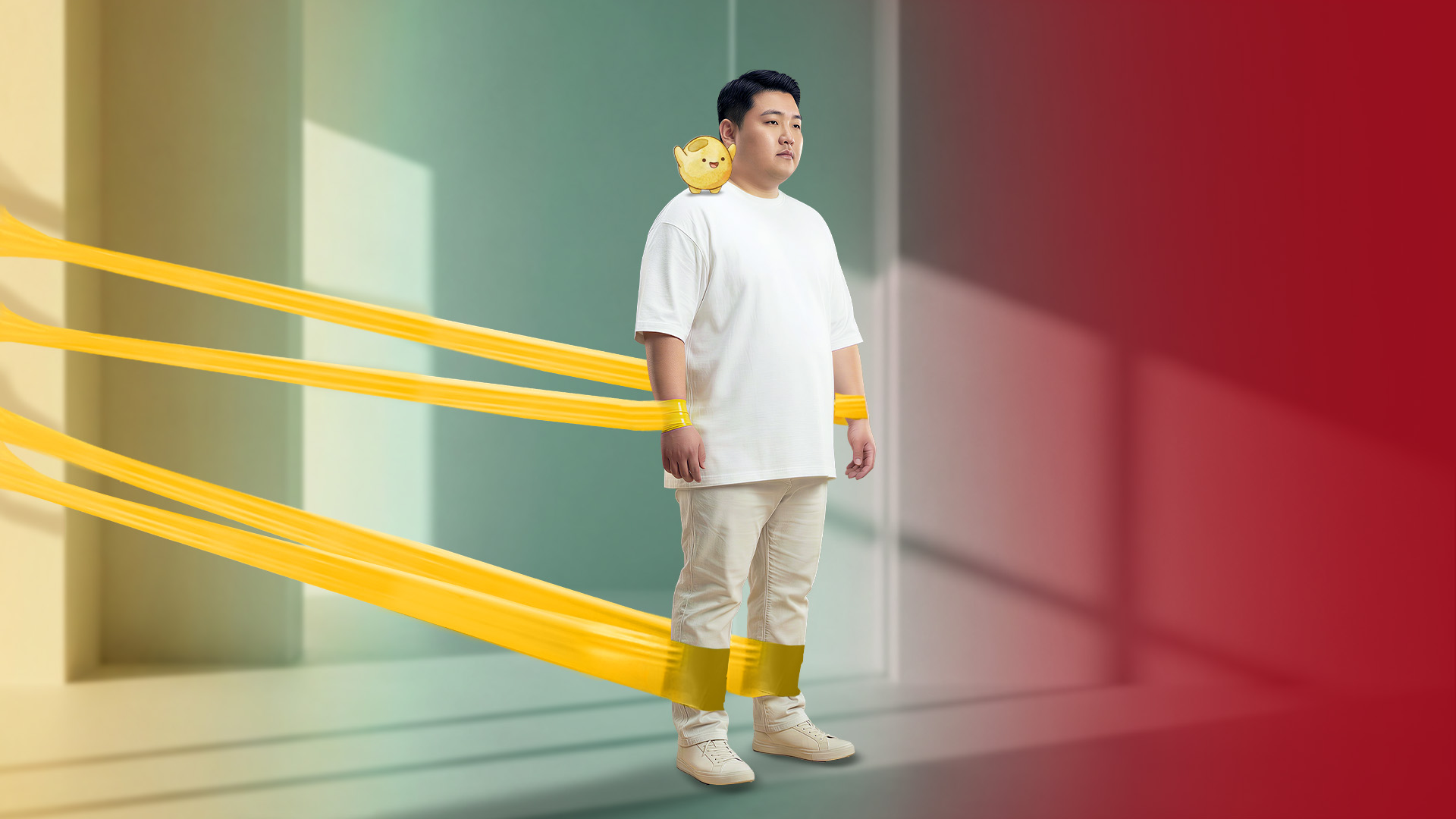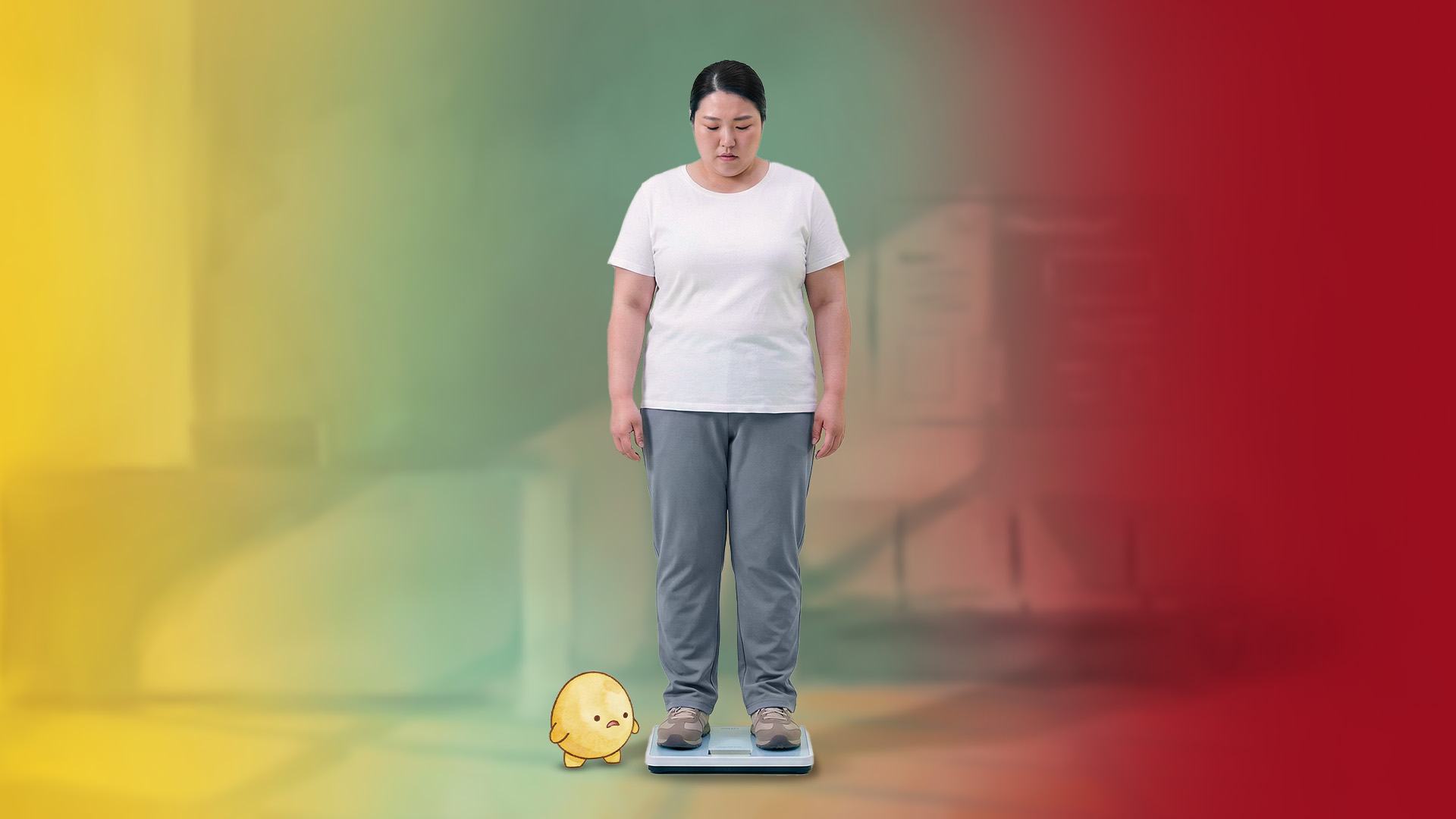
If you’ve been working on your diet and exercising, you might have lost weight but then regained it. It can feel like you're doing your best, but something is holding you back from keeping the weight off. You feel "stuck", it's not your fault3.
Obesity is a chronic disease and not a choice. There are complex factors beyond your control involving not feeling full, increased hunger, and changes in metabolism can cause biological resistance to weight loss.
These factors can also influence your tendency to regain weight after losing it, making it feel like your body is resisting attempts to lose weight. Research suggests that when you stay at a certain weight for a long time, your body can resist changing. Your body can adapt during weight loss by burning fewer calories and increasing hunger signals1,2,4. This can slow progress, even when you’re trying hard.
The practical takeaway is to focus on a plan tailored for you. This often means personalised adjustments to diet, activity, sleep, and seeking medical support—rather than trying to copy someone else’s approach5.
Living with obesity can impact your day-to-day life and can raise your risk of other health concerns, like: heart disease, high blood pressure, diabetes, stroke, liver disease and problem with sleep6.
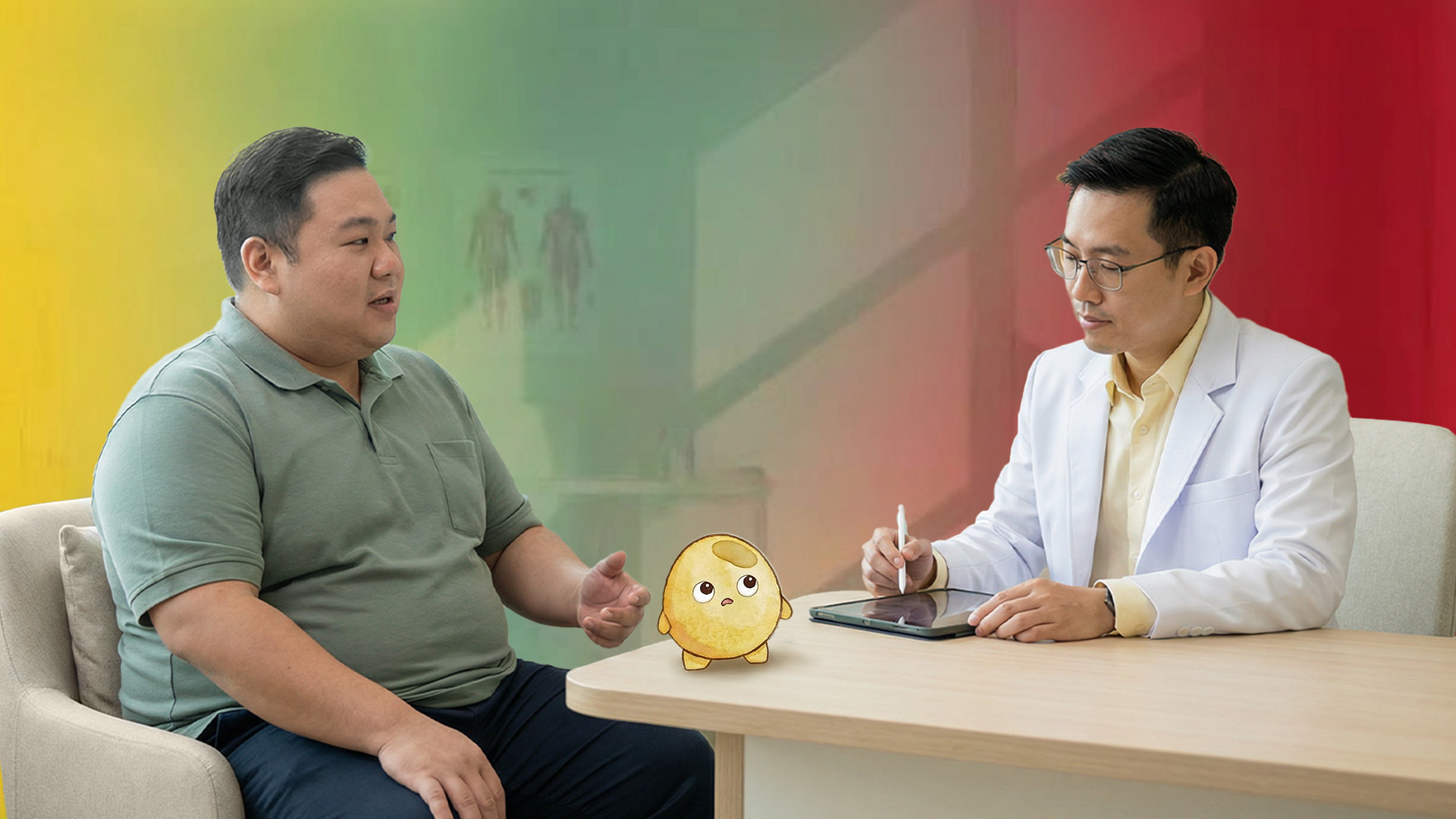
Obesity is a chronic disease, not a choice. To help pinpoint what might be affecting you, take the Weight Quiz that explores individual factors. If you suspect factors contributing to biological resistance to weight loss—or you simply want more help identifying what’s causing your weight challenge, use the Find a doctor page to get a safe, personalised plan by visiting a healthcare professional.