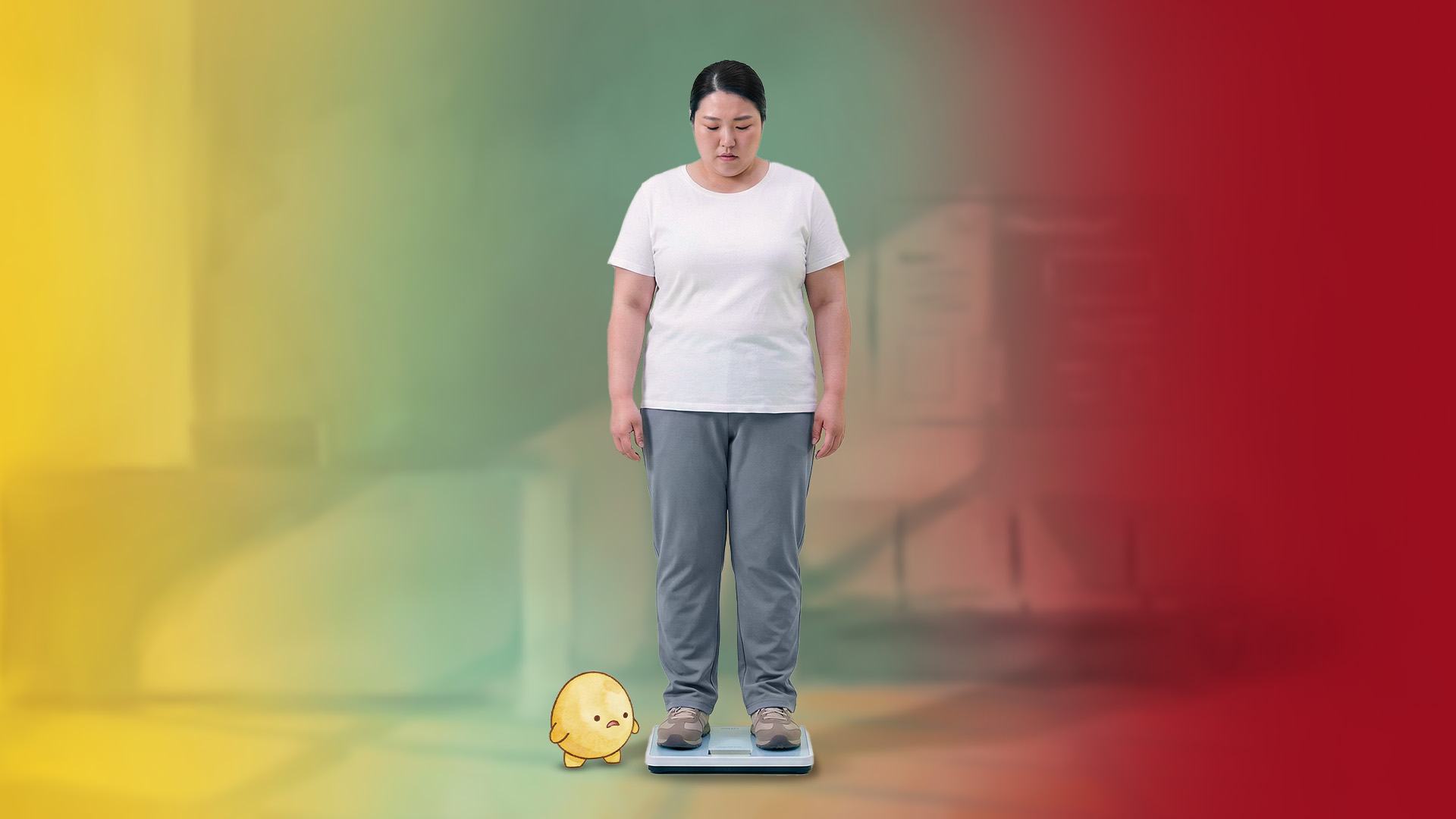
Obesity is a chronic disease that may involve factors that are beyond your control. It is not a choice. People living with obesity can feel stuck and find themselves in a cycle of weight loss and regain1.
There are different considerations when defining obesity—it is more complicated than just a number on a scale. Body Mass Index (BMI) can be used to categorize obesity, or your doctor may consider additional factors e.g measurement of waist circumference and waist to hip ratio and the effect that excess weight has on your health or quality of life whether that be medically, functionally, or psychologically2,3,4.
BMI is calculated by comparing your weight to your height and can be an initial indicator on whether you should speak with your doctor.
If you are in the obesity range, a doctor visit is recommended because health risks are higher and medical support can make weight loss safer and more effective. If you are overweight, a visit can still help if you have health risks, symptoms, or you have been trying for months without progress.
When weight won’t budge, it’s often more than “willpower.” Your body has built-in systems that resist: after weight loss, hunger hormones typically rise and fullness signals fall, so you feel hungrier and less satisfied than before, while your metabolism can slow down to conserve energy—making further loss harder even with the same effort5,6,7.
Remember, obesity is a disease that is driven by a complex combination of factors, which make it more difficult to achieve and maintain your health improvement goals6. You should also consider seeing a doctor if you have made consistent efforts for a few months and your weight is not changing or your weight keeps coming back.
There are a range of weight management approaches for people living with obesity to consider, from lifestyle changes, such as diet and exercise, to the use of anti-obesity medications or even surgical interventions8. Your doctor can help you determine which tools are appropriate for you.
To prepare, go through the Learning Experience and note your main barriers and goals. When you are ready, use the Find a doctor page to get a personalised plan that is safe and evidence based.